

Tiles installation
The tiles are suitable for rooms and surfaces exposed to moisture. They can also be used as decorative elements. The main advantages of the tiles are their strength, high aesthetics, and ease of cleaning.
High-quality tiles have straight corners and no manufacturing defects. Second-quality tiles have relatively straight corners and minimal defects. The grout compensates for defects in the corners of the tiles – leaving space filled with grout between the tiles of at least 1 mm is necessary.
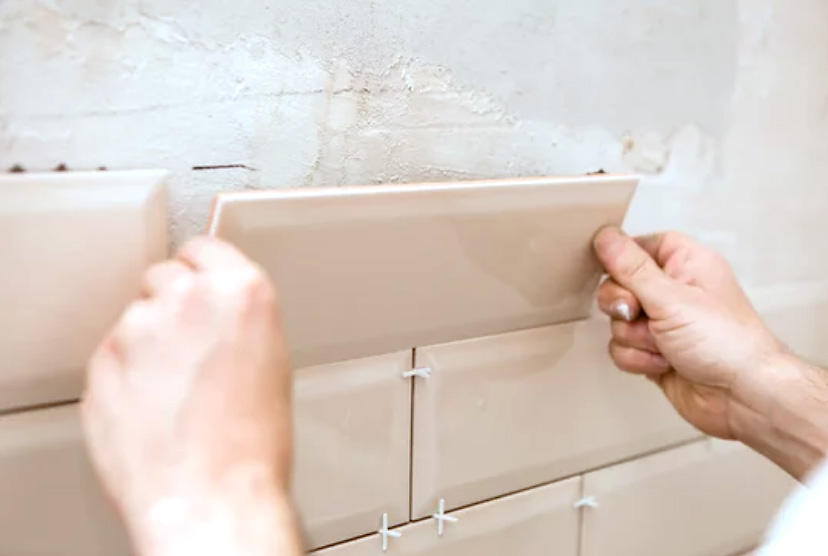
Faience tiles installation
Faience tiles are made of clay and mineral additives. They are more fragile than terracotta tiles and are only suitable for interior walls and floors.
Faience tiles can have a matte or glossy surface. Matte tiles hide dirt better and are easy to clean due to their fine structure. Multi-colored faience tiles better hide dirt and limescale marks from water.
Granite tiles installation
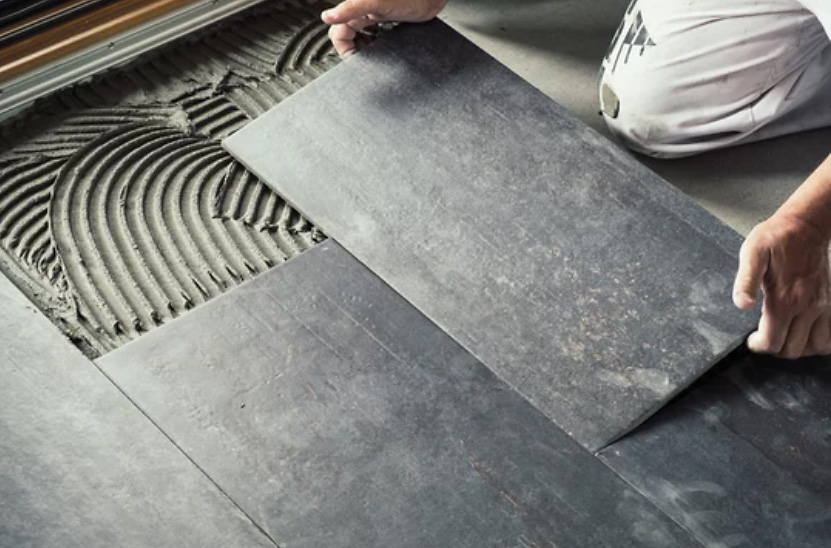
Granite is an artificial stone made from white clay, feldspar, and quartz—an entirely natural material that does not contain synthetic impurities. Granite tiles have high hardness, low porosity, and high resistance to wear—in terms of their resistance, granite tiles surpass terracotta.
Glazed granite tiles can be matte, polished, or glossy. Granite tiles with a matte surface have high resistance and anti-slip properties. They are suitable for bathrooms, open terraces, and courtyards. Polished and glossy granite tiles have a mirror surface, create a feeling of luxury, and are more appropriate for walls.
Terracotta tiles installation
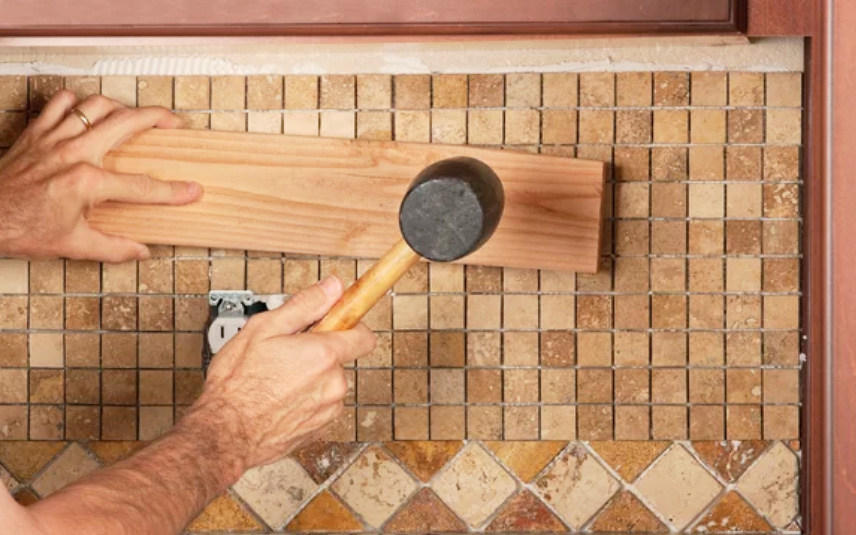
Terracotta tiles are used for flooring in bathrooms, kitchens, hallways, covered terraces, and staircases. Their main ingredient is clay, which is fired at high temperatures. Most terracotta tiles have earthy shades in the red-brown range, which creates a feeling of naturalness and coziness. They have a more porous structure than faience tiles and are more difficult to clean. They are unsuitable for outdoor spaces, as they can retain water and crack during sudden temperature fluctuations.
Terracotta tiles can have a matte or glossy surface. Matte tiles have a rougher surface and are more difficult to clean but have pronounced anti-slip properties. Glossy tiles are easier to maintain, but dirt is more visible.
Grouting
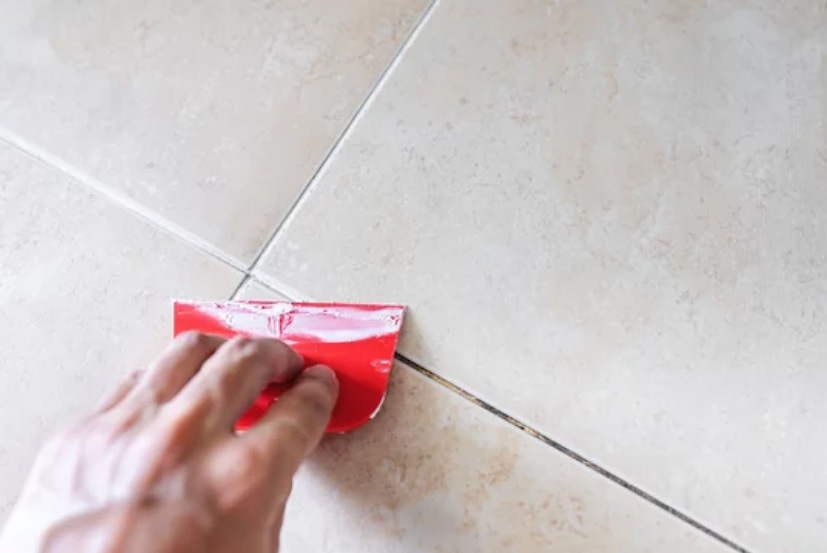
The grout fills the spaces between the tiles. It must be elastic and hydrophobic and match the selected tiles' color. Thanks to the water-repellent effect, water droplets remain on the surface and do not absorb into the joint's structure. This prevents the colonization of microorganisms and keeps the spaces between the tiles clean. Grouting occurs after the adhesive used to glue the tiles has hardened.
PRICES FOR TILE INSTALLATION - SOFIA 2026 |
|
| Standard ceramic wall tiles (faience) installation | from 40 € / sq m |
| Standard floor tiles installation | from 40 € / sq m |
| Bathroom floor tiles | from 45 € / sq m |
| Large-format tiles (> 60 х 60 сm) installation | from 45 € / sq m |
| Standard grouting | from 18 € / sq m |
| Tile skirting / cut tile plinth | from 16 € / m |
| Decorative tile border / frieze | from 18 € / m |
| PVC corner trim installation | from 10 € / m |
| Aluminum corner trim installation | from 10 € / m |
| Silicone sealing | from 6 € / m |
| Old tiles removal | from 15 € / sq m |